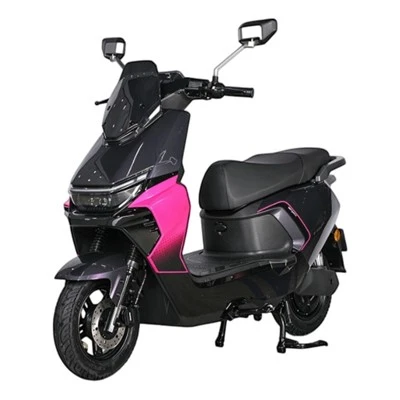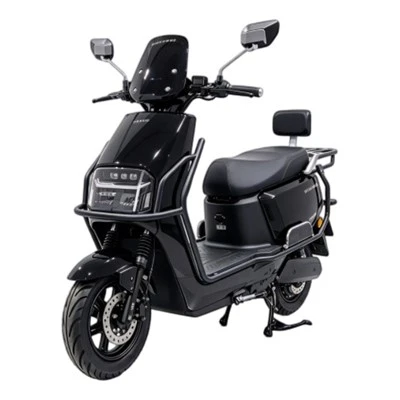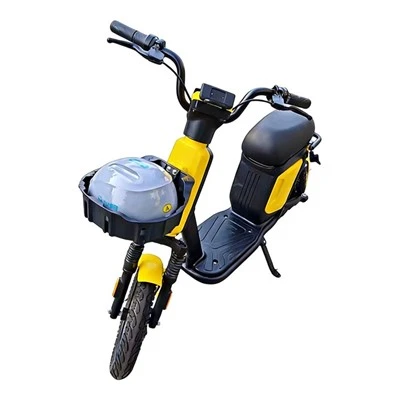
If you’re a food delivery driver, restaurant owner, or fleet manager looking to level up your delivery game, you’ve probably asked this question at some point: Can I use an electric commercial two wheeler for food delivery? Short answer: Hell yeah you can. But let’s break this down like we’re geeking out over the latest delivery route hack—no corporate jargon, just real talk from someone who’s spent years as an electric commercial two wheeler supplier, talking to drivers logging 80+ miles a day and fleet owners cutting fuel costs.
First, let’s get one thing straight: food delivery isn’t the same as a casual weekend cruise. You need a two wheeler that can handle stop-and-go traffic, heavy loads (hello, 10 hot pizzas or a 5-course meal set), and long days with zero downtime. For a long time, gas-powered scooters were the go-to, but they’re expensive to fill up, loud, and bad for cities that are cracking down on exhaust fumes. Electric commercial two wheelers? They’re built for this exact grind—and modern tech makes them way more practical than you might think.
Let’s start with the big one: range. This is the number that makes or breaks a delivery driver’s day. If you’re zipping between downtown restaurants, 50 miles around a dense metro? A good lithium battery two wheeler will crush that. Wait, let’s be specific: our commercial models are tuned to deliver 70–100 miles on a single charge, even when you’re carrying a 150lb load (delivery bags, coolers, maybe a extra sack of napkins—we’ve all been there). That’s not “max range” that you see on a marketing page when the scooter’s empty and going downhill; that’s real, stop-and-go delivery range. Compare that to a gas scooter, which might get 60 miles on a full tank, but filling up takes time and adds $15–$20 a day in fuel costs for a driver doing 80 miles. With electric, you’re looking at $2–$3 in electricity for the same distance. Math checks out? Total game changer.
But wait—what about charging? I’ve heard every complaint in the book: “I don’t have a place to plug in at home” or “I can’t wait 8 hours to charge up.” That’s why so many delivery drivers swear by electric two wheelers with removable batteries. Let’s say you knock off at 9 PM, pull the battery out of your two wheeler, plug it in at home while you sleep, and wake up to a full charge. No need to hang around a public charging station for 2 hours mid-shift. For fleets? We’ve got options too—you can set up a small charging station at your depot, or even swap batteries in 60 seconds at a local hub. If you’re still on the fence about how easy this is, check out our electric two wheeler with removable battery for a full breakdown of that feature. It’s one of the biggest reasons our delivery customers stick around.
Now, load capacity. Food delivery isn’t just about you zooming around—you’ve got to haul that food without spilling it. Our commercial electric two wheelers are built with heavy-duty racks that fit standard delivery bags, insulated coolers, and even the big thermal boxes for catering orders. We test these things by loading them up with 200lbs of water jugs (don’t ask, it’s our weird quality control trick) and having drivers run them through potholed city streets, rain, and rush hour. They don’t bend, they don’t struggle, and they don’t leave you stranded with a bag of soggy wings at a customer’s door. For context, many casual moped for commuting models don’t have this heavy-duty build—they’re lighter, designed for one person, not hauling delivery loads all day. That’s the key difference between a regular electric scooter and one built for commercial delivery: we don’t cut corners on frame strength or suspension.
What about maintenance? Gas scooters need oil changes, tune-ups, new spark plugs every few months, and exhaust system repairs when you’re zipping through city streets. Electric two wheelers? They have way fewer moving parts. No engine, no oil, no exhaust. Most drivers only need to do basic checks—tire pressure, brake pads, that’s it—every 1,000 miles. We’ve got customers who’ve run their fleet scooters for 18 months straight without a major repair, while their old gas models were in the shop every other week. That means less downtime (no waiting for a mechanic mid-shift) and way lower maintenance costs. For a small delivery business, that’s hundreds of dollars a month back in your pocket.
Let’s get real about the downsides, because no product is perfect. If you’re in a super rural area with almost no charging stations, electric might not be your best bet—yet. But even in most suburban and urban areas, charging infrastructure is blowing up. You can plug into any outlet at a restaurant, coffee shop, or even a grocery store while you’re on a break. Some cities are even installing charging docks at bus stops and delivery hubs specifically for two wheelers. Another thing: initial cost. A commercial electric two wheeler might cost $1,500–$3,000 more upfront than a gas scooter. But over 2–3 years, you’ll save so much on fuel and maintenance that you’ll come out way ahead. We’ve seen delivery drivers pay off their scooter’s extra cost in 12 months just from fuel savings. Plus, many cities and states offer tax incentives for electric commercial vehicles—some cover up to $1,500 per scooter. That brings the initial cost gap way down.
Wait, let’s talk about something that’s huge for delivery: maneuverability. Dense downtown traffic, narrow side streets, parking spots that are too small for cars? Electric two wheelers are tiny. You can weave between cars, park in a 2-foot spot, and even hop on bike lanes that cars can’t use. That cuts your delivery time by 15–20% right there. And because they’re electric, they’re quiet—no revving your engine and scaring customers or waking up residents when you’re making early morning bakery runs. It’s a small thing, but it makes a big difference for your reputation.
I know some of you might still be thinking, “I’ve had bad experiences with old electric scooters that died halfway through a shift.” That’s why we build our commercial models differently than the cheap ones you see on Amazon. We use high-quality lithium battery cells, not the cheap ones that die after 500 charges. Our Chargeable two wheeler line is designed to handle 1,000+ full charges, so you don’t have to replace your battery every year. We also offer 24/7 support for our fleet customers—if your scooter has a issue, we can troubleshoot over the phone, send a technician to you, or even swap out your scooter temporarily while yours gets fixed. No waiting a week for a repair kit to show up.
Let’s throw in a quick real-world example. Last year, we partnered with a small pizza chain in Chicago that had a fleet of 12 gas scooters. They switched to our commercial electric two wheelers, and within 6 months: their fuel costs dropped by $1,800 a month, their maintenance costs went down 70%, and their driver turnover dropped because drivers liked the quieter, smoother ride. They even added 2 more drivers because they could afford to with the savings. That’s not a fluke—we’ve seen this exact same story with burrito shops, sushi delivery services, and even grocery delivery fleets across the country.
So, is it worth it? Let’s wrap this up. If you’re a food delivery driver, restaurant owner, or fleet manager who’s logging 50+ miles a day, operating in an area with access to charging, and looking to cut costs, reduce downtime, and be more flexible—yes, an electric commercial two wheeler is absolutely the move. It’s not just a trendy upgrade, it’s a practical one that pays for itself fast.
The key is picking the right model. Don’t grab a casual moped for commuting—you need something built to haul heavy loads, handle stop-and-go traffic, and keep you running all day. Look for lithium battery two wheelers with a range of at least 70 miles, removable batteries for easy charging, and a heavy-duty frame. If you’re curious about checking out our models, swing by our site to see the specs for all our electric two wheelers, including the commercial lines built exactly for delivery.


If you’re ready to take the next step—whether you’re a single driver looking to upgrade your ride or a fleet manager wanting to switch your whole team—we’re here to help. We can walk you through pricing, answer any questions about charging or range, and even help you figure out if you qualify for those tax incentives. Hit us up to connect and start your journey with electric commercial two wheelers for food delivery.
References
- International Energy Agency. (2023). Global EV Outlook: Two-Wheelers Market Report.
- U.S. Department of Energy. (2022). Electric Commercial Vehicle Fleet Cost Comparison.
- National Restaurant Association. (2023). Food Delivery Operations: Fuel and Maintenance Cost Trends.
- Electric Drive Transportation Association. (2023). Urban Delivery Maneuverability and Efficiency Study.
- Local Government Commission. (2022). Incentives for Electric Commercial Two-Wheelers for Small Businesses.