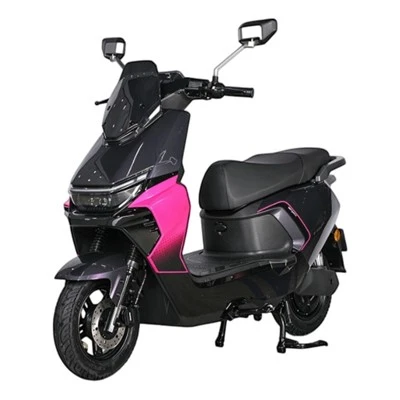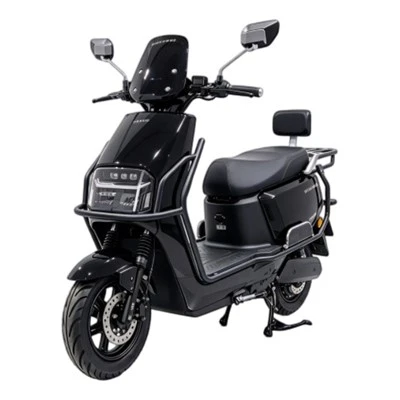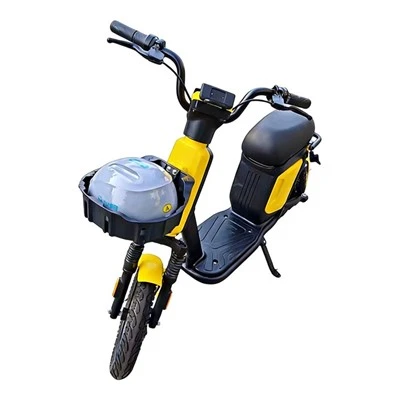
Introduction to Chargeable Two Wheelers
Chargeable two wheelers, commonly known as electric two wheelers (ETWs), represent a pivotal segment of China’s efforts to transition toward sustainable transportation solutions. These vehicles include electric motorcycles, electric scooters, and electric mopeds, powered by rechargeable lithium-ion batteries that produce zero tailpipe emissions. As global concerns about carbon reduction, urban air pollution, and energy security intensify, China has emerged as the world’s largest producer and consumer of chargeable two wheelers, accounting for over 90% of global ETW production annually. By 2026, the industry is projected to exceed 50 million units in production, driven by technological advancements, supportive government policies, and growing consumer demand for cost-effective, eco-friendly mobility. Chargeable two wheelers not only serve as a primary mode of short-distance commuting in dense urban areas but also play a critical role in the booming shared mobility sector, with major platforms relying on ETW fleets for delivery and ride-hailing services. The sector’s growth is supported by innovations in battery technology, lightweight materials, and smart connectivity, making chargeable two wheelers a cornerstone of China’s new energy vehicle (NEV) ecosystem.
1. Dikalu Locomotive Technology (Nanjing) Co., Ltd.
Dikalu Locomotive Technology (Nanjing) Co., Ltd. is a leading specialized manufacturer of chargeable two wheelers headquartered in Nanjing, Jiangsu Province, with a focus on research and development (R&D), production, sales, and after-sales services of electric scooters, electric motorcycles, and smart two-wheeler systems. Founded in 2008, the company has grown from a small regional supplier to a national player with a production base covering 80,000 square meters, equipped with automated assembly lines, battery testing laboratories, and a dedicated smart vehicle R&D center. Dikalu’s core team includes over 200 engineers specializing in battery management systems (BMS), motor design, and vehicle intelligence, with more than 150 patents granted related to ETW technology. The company has established a robust distribution network spanning 31 provinces in China, plus export operations to 28 countries across Southeast Asia, Europe, and Latin America, with annual production capacity reaching 1.2 million units as of 2025.
Dikalu places a strong emphasis on product innovation and quality control, adhering to national standards such as GB 17761-2018 for electric two wheelers and implementing ISO 9001 and ISO 14001 certifications across all production processes. The company’s product portfolio caters to diverse consumer needs, including entry-level affordable scooters for daily commuting, high-performance electric motorcycles with a top speed of 120 km/h, and smart ETWs equipped with GPS tracking, anti-theft systems, and connected infotainment. In recent years, Dikalu has invested heavily in next-generation solid-state battery technology, which promises longer range and faster charging, with plans to launch a new series of ETWs powered by this technology in early 2026. The company also partners with several leading Chinese battery manufacturers, including CATL, to ensure a stable supply of high-quality lithium-ion batteries, further enhancing product reliability.
Dikalu’s commitment to sustainability extends beyond product development, with its production facilities powered by 35% renewable energy (solar and wind) and a formal take-back program for old ETWs to recycle batteries and components. The company has also collaborated with local governments in Jiangsu to deploy smart charging stations in urban areas, supporting the broader adoption of chargeable two wheelers. In 2025, Dikalu recorded annual revenue of 2.8 billion RMB, with a 18% year-on-year growth, and earned a strong reputation for customer service, offering a 3-year warranty on core components and 24/7 roadside assistance.
Website: https://www.motorbicycle.net/
Characteristics and Advantages of Dikalu Locomotive Technology (Nanjing) Co., Ltd.
| Characteristics | Advantages ||-----------------|------------|| Specialized focus on mid-to-high-end chargeable two wheelers | Deep expertise in R&D and production of high-performance ETWs, catering to both individual consumers and commercial fleets || Integration of smart connectivity features | Embedded GPS, anti-theft, and infotainment systems enhance user experience and product value || Strategic partnership with CATL for battery supply | Access to high-quality, reliable batteries, ensuring product longevity and consistent performance || Strong domestic and international distribution network | Products available across China and 28 global markets, enabling rapid market expansion || Investment in solid-state battery technology | Future-proof product lineup, with upcoming 2026 models offering extended range and faster charging || Sustainability-focused production practices | Renewable energy use and battery recycling programs align with global eco-friendly trends, enhancing brand image || 3-year core component warranty and 24/7 service | High customer satisfaction and trust, leading to repeat purchases and positive word-of-mouth |
2. Tianneng Battery Group Co., Ltd.
Tianneng Battery Group Co., Ltd., headquartered in Changxing, Zhejiang, is a global leader in new energy batteries and a key upstream and integrated manufacturer of chargeable two wheelers. While Tianneng is best known for its lithium-ion and lead-acid batteries, the company expanded into ETW manufacturing in 2019 by acquiring three regional ETW brands and establishing its own production line to create a fully integrated ecosystem for two-wheeler mobility. With a production base of 120,000 square meters and an annual capacity of 1.8 million chargeable two wheelers, Tianneng leverages its core battery technology to deliver products with competitive range and reliability. The company’s ETW division employs over 500 R&D staff, focusing on battery optimization, lightweight vehicle design, and cost reduction, and holds over 300 patents related to ETW power systems and vehicle structure.
Tianneng’s chargeable two wheeler lineup includes a wide range of products, from low-speed scooters for urban commuting to high-speed electric motorcycles designed for highway use. A key strength of Tianneng’s ETWs is the use of its own battery cells, which are tailored specifically for two-wheeler applications, offering 15-20% longer range than generic batteries of the same capacity. In 2024, Tianneng launched a new series of “Energy Smart” ETWs equipped with its proprietary BMS, which improves battery life by up to 30% and supports fast charging that can reach 80% capacity in just 40 minutes. The company has also developed a battery swap system for its ETWs, allowing users to replace depleted batteries in 10 seconds at dedicated swap stations, addressing one of the key pain points of chargeable two wheeler adoption.
Domestically, Tianneng has a distribution network covering all 31 Chinese provinces, with over 5,000 retail outlets, and exports its ETWs to 40 countries, including Germany, France, and Vietnam, accounting for 12% of China’s total ETW exports in 2025. The company has also formed strategic partnerships with shared mobility platforms such as Meituan and Ele.me, supplying over 200,000 ETWs for delivery fleets, making it a dominant player in the commercial segment. Tianneng’s commitment to quality is evidenced by its compliance with international standards, including CE certification for European markets, and its investment in smart manufacturing, with 60% of its ETW production process automated to ensure consistency and reduce costs. In 2025, Tianneng’s ETW division recorded revenue of 4.2 billion RMB, with a 25% year-on-year growth, driven by strong demand from both individual and commercial customers.
Characteristics and Advantages of Tianneng Battery Group Co., Ltd.
| Characteristics | Advantages ||-----------------|------------|| Integrated battery and ETW manufacturing control | Direct access to core battery technology, enabling superior product performance and cost efficiency || Proprietary battery swap system | Solves range anxiety, a key barrier to ETW adoption, attracting both users and commercial fleets || Diverse product portfolio catering to all segments | Range from entry-level to high-speed models, serving individual consumers and shared mobility providers || Strong export presence with CE certification | Access to European and global markets, expanding beyond China’s domestic demand || Large-scale production with high automation | Lower production costs and consistent quality, enabling competitive pricing || Strategic partnerships with leading shared platforms | Guaranteed large orders, driving revenue growth and market share || Focus on battery life optimization | BMS technology extends battery lifespan, reducing total cost of ownership for users |
3. Yadea Group Holdings Ltd.
Yadea Group Holdings Ltd., founded in 2001 and headquartered in Wuxi, Jiangsu, is one of the most recognizable and largest manufacturers of chargeable two wheelers in China, with a global footprint. The company specializes in R&D, production, and sales of electric scooters, electric motorcycles, and smart ETW solutions, operating five production bases across China with a total area of over 1.5 million square meters and an annual production capacity of 6 million units—making it one of the world’s largest ETW manufacturers. Yadea has a global team of over 1,000 R&D engineers, including experts from Germany, the United States, and Japan, with more than 1,200 patents globally, focusing on battery technology, motor design, and smart vehicle systems.
Yadea’s product lineup is renowned for its innovation and design, with a focus on high-performance and smart features. In 2023, the company launched the “G5” series, a smart electric scooter equipped with facial recognition, NFC unlocking, and a 10-inch touchscreen display, which became a bestseller in China with sales exceeding 300,000 units in its first year. Yadea also leads in high-speed electric motorcycles, with its “KR” series reaching a top speed of 160 km/h and a range of 200 km on a single charge, targeted at younger consumers and urban commuters seeking more powerful vehicles. The company uses lithium-ion batteries from leading suppliers such as LG Energy Solution and CATL, ensuring reliable performance, and has developed its own energy regeneration system, which recovers power during braking to extend range by up to 10%.
Domestically, Yadea has over 30,000 retail outlets in China, covering even remote areas, while its international presence spans over 100 countries, with 12 overseas production bases and assembly plants, making it a global leader in ETW exports. In 2025, Yadea’s global sales reached 5.8 million units, with international sales accounting for 28% of total revenue, positioning it as the most internationally recognized Chinese ETW brand. The company has also invested heavily in smart charging infrastructure, partnering with property developers and local governments to install over 500,000 charging stations in urban and residential areas across China. Yadea’s commitment to sustainability has earned it recognition as a “National Green Factory” in China, with its production facilities using 40% renewable energy and a 95% component recycling rate for old vehicles. In 2025, Yadea recorded total revenue of 32 billion RMB, with a 20% year-on-year growth, solidifying its position as a top player in the global chargeable two wheeler market.
Characteristics and Advantages of Yadea Group Holdings Ltd.
| Characteristics | Advantages ||-----------------|------------|| World-class R&D team with global expertise | Innovative, high-performance products that meet international design and technology standards || Largest production capacity globally | Ability to meet massive domestic and international demand, ensuring product availability || Strong domestic and international distribution network | Over 30,000 retail outlets in China and presence in 100+ countries, enabling rapid market penetration || Smart connectivity and high-speed product lines | Caters to tech-savvy consumers and performance-driven segments, diversifying customer base || International production bases | Reduces export costs and adapts products to local market needs, strengthening global competitiveness || Leadership in exports | 28% of revenue from international markets, less reliance on domestic cyclical demand || Sustainability and green factory certification | Enhances brand reputation, attracting eco-conscious consumers and partners |
4. Aima Technology Group Co., Ltd.
Aima Technology Group Co., Ltd., headquartered in Tianjin, is a leading manufacturer of chargeable two wheelers with a focus on mid-range, high-volume products for the domestic Chinese market, as well as expanding international operations. Founded in 1999, Aima has grown to operate four large-scale production bases in China, totaling over 1 million square meters, with an annual production capacity of 5 million units. The company’s R&D center employs over 800 engineers, with a focus on lightweight design, battery efficiency, and user-centric product features, holding more than 800 patents related to ETW technology. Aima is known for its deep understanding of Chinese consumer preferences, particularly for stylish, affordable, and practical electric scooters for daily commuting.
Aima’s product portfolio is diverse, including entry-level scooters priced below 3,000 RMB, mid-range models with smart features, and electric mopeds compliant with national road regulations. A key product innovation is its “Energy Recovery System 2.0,” which improves energy efficiency by 12% compared to previous models, extending range without increasing battery size. In 2024, Aima launched its “Smart X” series, equipped with Bluetooth connectivity, mobile app integration, and anti-theft tracking, which has resonated with younger consumers aged 18-35. The company uses a mix of lithium-ion and lead-acid batteries, tailored to different price points, making its products accessible to a wide range of consumers across urban, suburban, and rural China. Aima has also partnered with Chinese e-commerce platforms such as Taobao and JD.com, driving online sales which account for 15% of its total revenue.
Domestically, Aima has a distribution network of over 25,000 retail outlets, with a strong presence in third- and fourth-tier cities and rural areas, where demand for affordable chargeable two wheelers is highest. In recent years, Aima has expanded into international markets, exporting to 35 countries in Asia, Africa, and South America, with assembly plants in Indonesia and Nigeria to reduce costs and adapt products to local needs. In 2025, Aima’s international sales grew by 45% year-on-year, driven by demand in Southeast Asia, where chargeable two wheelers are increasingly replacing gasoline mopeds. Aima also places a strong emphasis on after-sales service, with over 10,000 service centers in China, offering quick repairs and spare parts, which has helped build customer loyalty. In 2025, Aima recorded total revenue of 28 billion RMB, with a 17% year-on-year growth, making it one of the fastest-growing ETW manufacturers in China.
Characteristics and Advantages of Aima Technology Group Co., Ltd.
| Characteristics | Advantages ||-----------------|------------|| Deep understanding of Chinese consumer preferences | Products tailored to local needs, ensuring high domestic market acceptance || Large distribution network in tier 3-4 cities and rural areas | Access to underserved markets, driving volume sales || Mixed battery options for different price points | Caters to budget-conscious consumers, expanding market reach || Strong online sales channels via major e-commerce platforms | Captures digital-savvy consumers, complementing offline retail || Rapid international growth in emerging markets | Emerging economies offer high growth potential, diversifying revenue || Energy recovery technology | Improves product efficiency, reducing operating costs for users || Extensive after-sales service network | High customer satisfaction and repeat purchases, building brand loyalty |
5. Segway-Ninebot (Segway Global Inc.)
Segway-Ninebot, a subsidiary of Ninebot (Beijing) Technology Co., Ltd., is a leading manufacturer of smart chargeable two wheelers and personal mobility devices, headquartered in Beijing with a global presence. The company was formed through the acquisition of Segway Inc. in 2015, combining Segway’s expertise in personal mobility with Ninebot’s R&D in smart technology. Segway-Ninebot specializes in intelligent electric scooters, electric kickscooters, and electric motorcycles, focusing on high-tech, user-friendly products for both consumer and commercial markets. The company operates two production bases in China, located in Tianjin and Shenzhen, with an annual capacity of 1.5 million units, and a global R&D team of over 600 engineers, with more than 500 patents worldwide.
Segway-Ninebot’s chargeable two wheeler lineup is centered on smart technology, with features such as app connectivity, real-time vehicle diagnostics, anti-theft systems, and AI-powered riding assistance. Its best-selling product, the Ninebot E-series electric scooter, is popular in China and international markets, offering a range of up to 70 km, fast charging, and foldable design for easy storage. The company also produces high-speed electric motorcycles under the “Segway Apex” brand, which are designed for performance and urban agility, with a top speed of 125 km/h and a range of 150 km. Segway-Ninebot has developed its own proprietary operating system for smart mobility, called Segway OS, which enables seamless integration between the vehicle, user’s smartphone, and cloud-based services, including navigation, ride data tracking, and over-the-air (OTA) updates.
Domestically, Segway-Ninebot has a strong presence in Chinese urban markets, targeting tech-savvy consumers, while its international sales account for over 60% of total revenue, with products sold in more than 80 countries, including the United States, Germany, and Japan. The company is a major supplier of electric kickscooters for shared mobility platforms such as Lime and Bird, supplying fleets for urban rental services across North America and Europe. In 2025, Segway-Ninebot’s commercial segment (shared mobility) grew by 30% year-on-year, driven by the expansion of micro-mobility services. The company also invests in sustainable production, with its facilities using recycled materials in vehicle manufacturing and a program to recycle 85% of old ETW components. In 2025, Segway-Ninebot recorded total revenue of 12 billion RMB, solidifying its position as a leader in smart chargeable two wheelers.
Characteristics and Advantages of Segway-Ninebot
| Characteristics | Advantages ||-----------------|------------|| Integration of smart technology and AI | Industry-leading smart features, enhancing user experience and product value || Strong global brand recognition via Segway acquisition | Access to established international markets and brand loyalty || Dominance in shared mobility supply | Long-term partnerships with major global micromobility platforms, ensuring stable revenue || Proprietary Segway OS and OTA updates | Future-proof products, allowing continuous improvement and feature additions || High-quality, compact design | Attractive to urban consumers and users with limited storage space || Over 80 global markets presence | Diversified international revenue, reducing risk from domestic market fluctuations || Focus on intelligent mobility | Aligns with trends in smart city development, opening new growth opportunities |
6. Sunra Group Co., Ltd.
Sunra Group Co., Ltd., headquartered in Ningbo, Zhejiang, is a mid-sized but fast-growing manufacturer of chargeable two wheelers, specializing in stylish, mid-range electric scooters and motorcycles for the Chinese domestic market and emerging international markets. Founded in 2003, Sunra has three production bases in China with a total area of 350,000 square meters, and an annual production capacity of 1 million units. The company’s R&D team, numbering over 300 engineers, focuses on design innovation, battery efficiency, and cost control, with more than 200 patents related to ETW design and technology. Sunra is known for its emphasis on fashion and design, targeting younger consumers and consumers who prioritize aesthetics in their mobility choices.
Sunra’s product portfolio includes a range of electric scooters with modern, sleek designs, as well as electric mopeds compliant with Chinese road safety standards. A key product line is the “Sunra Style” series, which features streamlined bodies, LED lighting, and customizable color options, allowing users to personalize their vehicles. In 2024, Sunra launched its “Smart Lite” series, equipped with basic smart features such as app connectivity and GPS tracking, at an affordable price point below 4,000 RMB, making it accessible to students and young professionals. The company uses lithium-iron phosphate (LFP) batteries, known for their safety and long lifespan, which have helped Sunra build a reputation for reliable, low-maintenance products. Sunra has also focused on reducing vehicle weight, using lightweight aluminum alloys in frame design, which improves energy efficiency and handling.
Domestically, Sunra has a distribution network of over 10,000 retail outlets, with a strong presence in eastern and southern China, as well as expansion into central and western regions. Internationally, Sunra exports to 25 countries, including Thailand, Malaysia, and Brazil, with assembly plants in Thailand and Mexico to serve local markets. In 2025, Sunra’s international sales grew by 50% year-on-year, driven by demand in Southeast Asia, where consumers prefer stylish, affordable chargeable two wheelers. The company also places a strong focus on marketing, partnering with Chinese celebrities and social media influencers to promote its products among younger audiences, which has helped increase brand awareness. In 2025, Sunra recorded total revenue of 6.5 billion RMB, with a 22% year-on-year growth, making it one of the fastest-growing mid-sized ETW manufacturers in China.
Characteristics and Advantages of Sunra Group Co., Ltd.
| Characteristics | Advantages ||-----------------|------------|| Focus on stylish, customizable designs | Attracts younger consumers, a key growth segment in the ETW market || Affordable mid-range pricing | Accessible to budget-conscious groups such as students and young professionals || Use of LFP batteries for safety and longevity | Reduces user maintenance costs and enhances product reliability || Fast international growth in emerging markets | High demand for affordable, stylish ETWs in Southeast Asia and Latin America || Strong marketing via celebrities and social media | Builds brand awareness and customer loyalty among younger demographics || Lightweight vehicle design | Improves energy efficiency and riding performance, enhancing user experience || Cost-effective production practices | Competitive pricing without compromising quality, driving volume sales |
7. Zongshen Motorcycle Group Co., Ltd.
Zongshen Motorcycle Group Co., Ltd., founded in 1992 and headquartered in Chongqing, is a well-established manufacturer of gasoline motorcycles that has expanded into chargeable two wheelers, leveraging its expertise in engine and vehicle manufacturing. Zongshen is one of the oldest and most experienced motorcycle manufacturers in China, with a reputation for robust engineering, and has applied its technical knowledge to develop high-quality electric motorcycles and scooters. The company operates four production bases in China, with a total area of 800,000 square meters, and an annual ETW production capacity of 800,000 units, alongside its core gasoline motorcycle production. Zongshen’s R&D team includes over 400 engineers specializing in powertrain design, with more than 400 patents, including technologies adapted from its gasoline engine expertise to electric vehicle systems.
Zongshen’s chargeable two wheeler lineup focuses on high-performance electric motorcycles, targeting riders who previously owned gasoline motorcycles and seek to transition to electric mobility. The company’s flagship product, the Zongshen Electric SR, features a 10 kW electric motor, a range of 180 km on a single charge, and a top speed of 140 km/h, designed to compete with mid-tier gasoline motorcycles in performance and durability. Zongshen has also developed electric scooters for urban commuting, equipped with its proprietary powertrain technology, which delivers smooth acceleration and low maintenance, a key advantage over gasoline-powered alternatives. The company’s engineering heritage ensures that its ETWs are built to withstand rough road conditions, making them popular in rural areas and regions with poor infrastructure.
Domestically, Zongshen has a distribution network of over 15,000 retail outlets, with a strong presence in central and western China, including rural areas where durability and reliability are highly valued. Internationally, Zongshen exports chargeable two wheelers to 30 countries, including India, Brazil, and the Philippines, where its reputation for durable motorcycles resonates with consumers. In 2025, Zongshen’s ETW division recorded revenue of 5.2 billion RMB, with a 15% year-on-year growth, as more of its traditional gasoline motorcycle customers switch to electric models. The company also invests in after-sales support, with service centers equipped to handle both gasoline and electric vehicles, reducing costs for dealers and ensuring easy maintenance for users. Zongshen’s transition to electric two wheelers combines its decades of manufacturing expertise with modern technology, creating reliable, high-performance products for diverse markets.
Characteristics and Advantages of Zongshen Motorcycle Group Co., Ltd.
| Characteristics | Advantages ||-----------------|------------|| Decades of engineering and manufacturing expertise | Robust, durable ETWs built to high quality standards, appealing to performance and reliability-focused consumers || Leverages gasoline engine technology for EV powertrains | Smooth, efficient powertrain design, adapted from proven internal combustion engine expertise || Strong presence in rural and underdeveloped regions | Durable products suited for poor infrastructure, tapping into underserved markets || Dual gasoline and electric vehicle support at service centers | Low maintenance costs for users, ensuring long-term product usability || Established international brand in emerging markets | Reputation for quality in Asia and Latin America, driving export growth || High-performance electric motorcycles | Competes with mid-tier gasoline models, attracting conversion customers || Large existing distribution network | Reduces cost of entering the ETW market, using existing dealer relationships |
8. Niu Technologies (NIU)
Niu Technologies, listed on the Nasdaq stock exchange in the United States, is a leading smart chargeable two wheeler manufacturer headquartered in Beijing, focused on premium, tech-driven electric scooters for urban consumers. Founded in 2015, Niu has quickly established itself as a premium brand, targeting consumers willing to pay more for advanced technology, design, and after-sales service. The company operates two production bases in China, with an annual capacity of 600,000 units, and a global R&D team of over 300 engineers, specializing in smart connectivity, battery technology, and vehicle design, with more than 250 patents worldwide. Niu is known for its user-centric approach, focusing on creating products that integrate seamlessly with urban lifestyles.
Niu’s product lineup includes premium electric scooters such as the NQi series and the UQi series, which offer features like Bluetooth connectivity, mobile app control, OTA updates, anti-theft tracking, and built-in navigation. The company’s flagship model, the NQi GTS, has a range of up to 100 km on a single charge, a top speed of 80 km/h, and is equipped with a large touchscreen display and a removable lithium-ion battery for easy charging indoors. Niu also places a strong emphasis on safety, with features such as ABS brakes, LED lighting, and a reinforced frame, making its products popular among urban commuters who prioritize safety and comfort. The company’s mobile app allows users to lock/unlock their scooter, track their riding data, schedule maintenance, and receive over-the-air software updates, ensuring that the vehicle remains functional and up-to-date for years.
Domestically, Niu has a presence in major Chinese cities, including Beijing, Shanghai, and Guangzhou, targeting younger, urban professionals. Internationally, Niu sells products in over 50 countries, including the United States, Germany, and France, with a strong following in European markets where premium mobility is in high demand. In 2025, international sales accounted for 40% of Niu’s total revenue, with growth driven by demand in Europe, where the company’s smart features and premium design resonate with consumers. Niu also offers a subscription service for its ETWs, allowing users to pay a monthly fee for the vehicle, maintenance, and insurance, which has gained popularity in urban markets. In 2025, Niu recorded total revenue of 9.8 billion RMB, with a 22% year-on-year growth, solidifying its position as a leading premium smart ETW brand.
Characteristics and Advantages of Niu Technologies (NIU)
| Characteristics | Advantages ||-----------------|------------|| Premium brand image and tech-driven products | Attracts high-income urban consumers, commanding higher price points and margins || Comprehensive smart features (app, OTA, navigation) | Enhanced user experience, differentiating Niu from mid-market competitors || Focus on safety and quality | ABS brakes and reinforced frame build trust with consumers, reducing accident risks || Strong international presence in premium markets | Access to high-growth, high-margin markets in Europe and North America || Subscription service model | Recurring revenue stream, improving customer retention and predictable income || Removable battery design | Flexible charging options, addressing range anxiety for urban users || Nasdaq-listed status | Access to global capital, supporting R&D and international expansion |
9. Loncin Motorcycle Co., Ltd.
Loncin Motorcycle Co., Ltd., headquartered in Chongqing, is a leading manufacturer of motorcycles and chargeable two wheelers, with a strong focus on engine technology and global OEM (original equipment manufacturing) partnerships. Founded in 1983, Loncin has over 40 years of experience in vehicle and engine manufacturing, making it one of the most technologically advanced manufacturers in China. The company operates five production bases in China, with an annual ETW production capacity of 700,000 units, alongside production of gasoline engines for motorcycles and automobiles. Loncin’s R&D team includes over 500 engineers, with expertise in powertrain, battery technology, and lightweight materials, holding more than 500 patents worldwide.
Loncin’s chargeable two wheeler product line includes electric motorcycles and scooters, with a focus on high performance and reliability, leveraging its core engine and powertrain expertise. The company’s flagship ETW model, the Loncin EM, features a 12 kW electric motor, a range of 200 km on a single charge, and fast charging capability that reaches 80% in 30 minutes. Loncin has also developed a line of electric mopeds compliant with European E-Mark standards, designed for export to markets in Europe and North America, where safety and regulatory compliance are critical. A key advantage of Loncin is its OEM capabilities, manufacturing ETWs for other brands, including international motorcycle companies, which diversifies its revenue streams and reduces reliance on its own brand sales.
Domestically, Loncin has a distribution network of over 12,000 retail outlets, with a strong presence in central and western China, while its international operations span over 80 countries, with OEM partnerships with brands such as BMW Motorrad, which has collaborated with Loncin on electric motorcycle development. In 2025, Loncin’s OEM segment accounted for 55% of its ETW revenue, with its own brand sales growing at 18% year-on-year. The company also invests in sustainable manufacturing, with its facilities using 30% renewable energy and a program to recycle 90% of production waste. Loncin’s combination of OEM expertise, advanced technology, and global partnerships makes it a unique player in the chargeable two wheeler market, catering to both its own brand and international clients.
Characteristics and Advantages of Loncin Motorcycle Co., Ltd.
| Characteristics | Advantages ||-----------------|------------|| 40+ years of engine and manufacturing expertise | High-quality, reliable ETWs with robust powertrains, built to industrial standards || Strong OEM and global partnership model | Diversified revenue, stable orders from international brands, reducing market risk || Compliance with international safety standards | E-Mark and other certifications enable access to European and North American markets || High-performance electric models | Long range and fast charging, competing with premium global brands || Large domestic and global distribution network | Reach customers in China and 80+ countries, supporting both OEM and own brand sales || Focus on powertrain technology | Expertise in electric motors and battery systems, leading to innovative product designs || Sustainable production practices | Aligns with global eco-friendly trends, attracting partners and consumers |
10. Luyuan Technology Co., Ltd.
Luyuan Technology Co., Ltd., headquartered in Hangzhou, Zhejiang, is one of the largest domestic manufacturers of chargeable two wheelers in China, specializing in mid-range electric scooters and motorcycles with a focus on energy efficiency and user comfort. Founded in 1997, Luyuan operates four production bases in China, with a total area of 900,000 square meters, and an annual production capacity of 3.5 million units, making it a key player in China’s mass market ETW segment. The company’s R&D team numbers over 400 engineers, with a focus on battery optimization, ride comfort, and cost efficiency, holding more than 600 patents related to ETW technology. Luyuan is known for its commitment to delivering practical, reliable products at competitive prices, catering to the needs of China’s large base of daily commuters.
Luyuan’s product portfolio includes a wide range of electric scooters, from entry-level models priced below 2,500 RMB to mid-range models with smart features. The company’s core technology is its “Energy-Saving Motor System,” which improves motor efficiency by 15% compared to standard motors, reducing energy consumption and extending range without increasing battery size. In 2024, Luyuan launched the “Comfort Series,” which features enhanced suspension and ergonomic seating, designed to provide a smoother ride for long commutes, a key selling point for urban consumers. The company uses a mix of lithium-ion and lead-acid batteries, tailored to different price points, ensuring accessibility for a broad customer base. Luyuan has also partnered with China’s State Grid to install over 100,000 charging stations across the country, addressing infrastructure gaps and supporting ETW adoption.
Domestically, Luyuan has a distribution network of over 20,000 retail outlets, covering all 31 Chinese provinces, with a strong presence in both urban and rural areas. The company’s domestic sales account for over 90% of its total revenue, as it continues to capture share in China’s mass market, which remains the largest in the world. In 2025, Luyuan recorded total revenue of 19 billion RMB, with a 19% year-on-year growth, driven by strong demand for its energy-efficient, practical products. Luyuan also places a strong emphasis on quality control, with its production facilities following strict testing protocols, including 100km endurance tests for every model, ensuring that products meet national safety standards. With its focus on mass market practicality, energy efficiency, and domestic coverage, Luyuan is a leading player in China’s chargeable two wheeler industry.
Characteristics and Advantages of Luyuan Technology Co., Ltd.
| Characteristics | Advantages ||-----------------|------------|| Dominant presence in China’s mass market | Large customer base, high volume sales, stable domestic revenue || Energy-saving motor technology | Low operating costs for users, a key factor for mass market adoption || Wide product range for all price points | Caters to budget and mid-range consumers, expanding market reach || Extensive domestic distribution network | 20,000+ retail outlets, accessible to customers across urban and rural China || Partnership with State Grid for charging infrastructure | Supports ETW adoption by addressing range and charging concerns || Strict quality control and endurance testing | Reliable products, enhancing customer trust and reducing warranty costs || Practical, comfort-focused design | Meets the daily commuting needs of mainstream consumers, driving repeat purchases |
Conclusion
By 2026, China’s chargeable two wheeler industry has evolved into a mature, innovative sector, with the top 10 manufacturers leading in production, technology, and market reach. The companies on this list—from global giants like Yadea and Aima to specialized smart brands like Niu and Dikalu—represent the full spectrum of the ETW market, catering to diverse customer needs ranging from affordable mass-market commuters to high-performance premium models and smart mobility solutions. Key trends emerging among these manufacturers include investment in next-generation battery technology, smart connectivity, and international expansion, as domestic demand in China stabilizes while emerging global markets offer new growth opportunities. Additionally, sustainability remains a core focus, with many manufacturers adopting green production practices, battery recycling programs, and renewable energy use to align with global carbon reduction goals. The top 10 chargeable two wheeler factories in China in 2026 not only drive the domestic transition to sustainable transportation but also position China as a global leader in ETW innovation and production, supporting the global shift away from fossil-fueled mobility.